

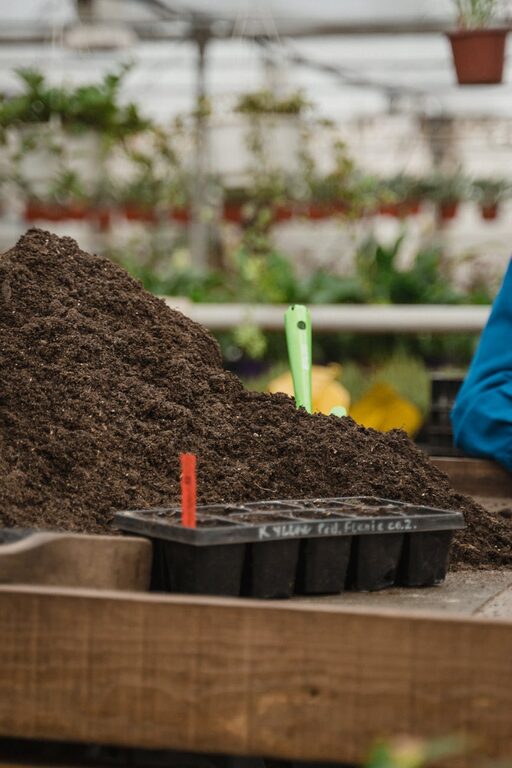
Creating a flourishing vegetable garden at home is a rewarding way to enjoy fresh produce, connect with nature, and even improve your wellbeing. Whether you have a spacious garden or just a small balcony, you can grow vegetables with some planning and care. In this guide, we’ll share helpful tips to help you grow a thriving vegetable garden right at home.
Choose the Right Location
Finding the best spot for your vegetable garden is essential for success. Most vegetables require plenty of sunlight to grow well.
– Sunlight: Aim for at least six hours of direct sunlight a day. South-facing spots are often ideal because they get maximum sun exposure.
– Soil quality: Look for well-drained soil that isn’t waterlogged. If your garden soil is poor, consider raised beds or containers filled with good-quality compost and garden soil.
– Accessibility: Make sure your chosen spot is easy to reach for watering, weeding, and harvesting.
Select Suitable Vegetables
Choosing vegetables that suit your climate, space, and skill level will improve your chances of success.
– Climate: Select varieties known to grow well in your local climate. You can check this with local garden centres or online resources.
– Space: For small areas, focus on compact or vertical-growing vegetables such as dwarf beans, cherry tomatoes, or salad leaves.
– Season: Plant according to the season. Some vegetables thrive in spring and summer (tomatoes, courgettes), while others prefer cooler seasons (kale, spinach).
Prepare the Soil Properly
Healthy soil is the foundation of a thriving vegetable garden.
– Clear weeds: Remove any weeds or grass from the planting area.
– Loosen soil: Dig or fork the soil to a depth of 20-30 cm to improve aeration.
– Add compost: Enrich the soil by mixing in organic compost or well-rotted manure. This improves nutrition and moisture retention.
– Test soil pH: Most vegetables prefer a neutral to slightly acidic pH (6.0–7.0). Kits are available for testing soil at home.
Start with Quality Seeds or Seedlings
Your plants’ success often starts with the seeds or seedlings.
– Use reliable suppliers: Buy seeds from reputable suppliers to ensure good germination rates.
– Start indoors: For longer growing seasons or delicate plants like tomatoes and peppers, start seeds indoors 6–8 weeks before the last frost date.
– Buy young plants: Alternatively, purchasing healthy seedlings from garden centres can save time.
Water Wisely
Vegetables need regular watering, especially when young or during dry weather.
– Consistency: Water deeply and consistently rather than shallow, frequent watering.
– Morning watering: Watering in the morning reduces evaporation and helps avoid diseases caused by damp leaves overnight.
– Avoid overwatering: Too much water can cause root rot. The soil should feel moist but not soggy.
Provide Support and Protection
Some vegetables grow tall or vine strongly and need support.
– Use stakes or cages: Support tomatoes, peas, and beans with stakes, cages, or trellises.
– Mulching: Apply a layer of mulch around plants to keep weeds down, retain moisture, and regulate soil temperature.
– Protect from pests: Use natural methods such as companion planting, netting, or neem oil to reduce pest damage. Encourage beneficial insects like ladybirds.
Regular Maintenance
Consistent garden care helps vegetables flourish.
– Weeding: Remove weeds regularly to reduce competition for nutrients and water.
– Feeding: Apply organic fertilisers when necessary, according to the needs of your plants.
– Pruning: Remove dead or yellowing leaves and pinch back certain plants to encourage bushier growth.
Harvest at the Right Time
Pick vegetables when they are ripe to enjoy the best flavour and to encourage the plants to keep producing.
– Check guides: Each vegetable has its ideal harvest time, usually indicated on seed packets or plant tags.
– Handle gently: Use scissors or garden shears for delicate crops to avoid damaging the plant.
Keep Learning and Experimenting
Every garden is unique, so take notes and try different approaches.
– Journal your planting dates, successes, and any problems to improve year by year.
– Join local gardening groups or forums for support and advice.
Conclusion
Growing a thriving vegetable garden at home is achievable with patience and care. By choosing the right location, preparing the soil, selecting suitable vegetables, and maintaining your plants, you can enjoy fresh, home-grown produce. Start small, enjoy the process, and watch your garden flourish. Happy gardening!